
MANHATTAN, NYC WRITING SPEAKING THERAPY TUTORING

MANHATTAN, NYC WRITING SPEAKING THERAPY TUTORING
As Featured In:






Speech Language Pathologists Travel To Your Manhattan, NYC Home! Best Private Pay In-Person Writing Speaking Therapy Tutoring | Free Consultations & Meet-and-Greets with Our Professionals| No Contracts, Pay As You Go!
SLPs Travel To Your Manhattan, NYC Home! Best Private Pay In-Person Writing Speaking Therapy Tutoring | Free Consultations & Meet-and-Greets with Our Professionals| No Contracts, Pay As You Go!
WE TRAVEL TO YOU THROUGHOUT MANHATTAN:
Battery Park City, Bowery, Carnegie Hill, Central Harlem, Central Midtown, Chelsea, Chinatown, Civic Center, Clinton, Columbus Circle, Cooperative Village, Diamond District, East Harlem, East Village, Financial District, Flatiron District, Garment District, Governors Island, Gramercy Park, Greenwich Village, Hamilton Heights, Harlem, Hell’s Kitchen, Hudson Square, Hudson Yards, Inwood, Kips Bay, Lenox Hill, Lincoln Square, Little Italy, Lower East Side, Manhattan Valley, Marble Hill, Meatpacking District, Midtown, Midtown East, Midtown South, Morningside Heights, Murray Hill, NoHo, NoLita, Peter Cooper Village, Roosevelt Island, Seaport District, SoHo, South Street Seaport, Stuyvesant Town, Sutton Place, Theatre District, Times Square, TriBeCa, Turtle Bay, Union Square, Upper East Side, Upper West Side, Washington Heights, Waterside Plaza, West Harlem, West Village, Yorkville.
We also travel to:
The Bronx, Riverdale, and Yonkers
Speech-Language Pathologists and Therapists
We travel to you, and we also offer remote services. Some licensed speech-language pathologists we work with are trained in the Orton Gillingham approach. Many licensed speech-language pathologists we work with are trained in literacy and offer support with decoding, spelling, and reading fluency services. The speech-language pathologists and therapists we work with assist babies, toddlers, school-age students, and adults with expertise in:
We also support families pursuing homeschooling for K–5 students, offering personalized in-home or remote instruction tailored to each child’s learning style and needs.
Speech-Language Pathologists and Therapists
We travel to you, and we also offer remote services. Some licensed speech-language pathologists we work with are trained in the Orton Gillingham approach. Many licensed speech-language pathologists we work with are trained in literacy and offer support with decoding, spelling, and reading fluency services. The speech-language pathologists and therapists we work with assist babies, toddlers, school-age students, and adults with expertise in:
- Pronunciation/Enunciation
- Articulation
- Expressive Language Disorder
- Writing & Speaking Therapy
- Comprehension- Listening & Reading
- Listening Comprehension
- Auditory Processing
- Vocabulary
- Teens- Language Therapy
- Stuttering
- Feeding
- Oral Motor
- Voice
- AAC
- Adult Speech Therapy
- Public Speaking
- Accent Reduction Modification Speech Therapy
We also support families pursuing homeschooling for K–5 students, offering personalized in-home or remote instruction tailored to each child’s learning style and needs.
Training/Certifications


Training/Certifications




A house without a foundation is like the movie The Money Pit . It is bound to crumble down. Likewise, verbal language is the basis for written and social language. Poor verbal skills result in difficulties in expressive writing, academics, and social skills. Effective writing and speaking skills are deeply connected to oral language development, as explored in our insights on the relationship between expressive oral language and literacy, where we examine how strong verbal communication supports success in reading and writing.
Let us quickly introduce three types of verbal language (narrative, expository, conversational); two of them play integral parts for developing appropriate expressive writing skills. Narrative language (emerges in preschoolers) includes the ability to share experiences, describe ongoing activities, and/or plan/predict future activities, explain and tell stories.
Narrative language is different than conversational speech because the former is typically told by one speaker, while others listen. The last type of verbal language to develop is called expository language. Its main purpose is to instruct. From third grade on, students are expected to describe, define, and explain information, e.g. oral and written reports for history or science etc., in a coherent manner. As academic demands increase over the school years, there is a larger emphasis on expository verbal language and expository literacy. Learn what is the link between executive functioning and language. Download our What is Executive Functioning Pamphlet!
Narrative and expository language are the bridge between oral and written language development. Kind of like how the Verrazano connects Staten Island to Brooklyn. However, some children will require a little assistance in the form of writing and speaking tutoring to develop their narrative language skills. This is where specialized assistance can help.
The language experts we work with are like the Olympic coaches of speech. When working with students, our specialists focus on both written and verbal skills. After all, you can’t have one without the other. That would be like peanut butter minus jelly.
Writing Intervention
Writing requires mastery of different skills and processes, including spelling and handwriting. It also involves planning, organizing, and revising of ideas. Children with learning disabilities often have problems with phonemic processing (representing and manipulating sounds), alphabetic principles (recognizing sounds represented by letters), and letter-sound connections. This leads to difficulties in the transcription aspect of writing. Thus, affecting one’s ability to communicate thoughts and ideas. Read SPELLTalk questions and answers about the language literacy network– which represents normal reading and writing processes.
Effective writing intervention must address all aspects of the writing process using a particular strategy. At Brooklyn Letters, writing tutors focus on specialized and individualized intervention to improve a student’s oral and written language skills, including:
-
Analyzing complex sentences – Students flush out the meaning of the complex language and vice versa: students combine simple sentences into complex sentences.
-
Creating complex sentences – Teaching connecting words, such as temporal words, e.g. then, before, after, etc., causal relations, e.g. because, so, etc., conditional relations, e.g. if-then, etc.
-
Elaborating noun phrases, e.g. adding the clause “who study dinosaurs” to the word “paleontologists”, e.g. “Paleontologist, who study dinosaurs,” etc.
-
Elaborating verb phrases, e.g. teaching adverbs, e.g. extremely, sadly, quite, etc.
-
Teaching vocabulary (nouns, action words, descriptors)
-
Grammar (sentence construction, verb tense, etc.)
-
Improving organization/cohesion of ideas (map out setting, identifying problems, goals, and episodes, connecting ideas, visual and verbal organizers, etc.)
-
Facilitating social skills.
Click the link to find out more about Brooklyn Letters’ writing intervention program.

Acquiring communication skills is a landmark milestone in young children that determine whether a child’s development is typical for one’s age. As children grow, they begin to put their thoughts and feelings into words. But in some cases, they may find it difficult to find the words to express themselves and have trouble speaking with others.
Communication delays in young children is not uncommon. However, some children may exhibit significant speaking difficulties compared to peers, such as late-talking. This could be a sign of an expressive language disorder (also known as spoken language disorder) or an expressive language delay (for children four years and younger).
(Related: Everything You Need to Know If You Have a Toddler Who is a Late Talker)
Expressive language disorder refers to problems using spoken language to express thoughts and feelings. It affects at least one key area of communication, which are: spoken vocabulary, grammar (complexity of what the child is saying), and pragmatics or the social use of words. These issues become more apparent when children, older than four years of age, have difficulties telling stories and making friends. Read about the validity of an online oral narrative task (2023 study). The assessment task was developed to monitor children’s oral language progress in their first year at school as part of the Better Start Literacy Approach for early literacy teaching.
Treatment of an expressive language disorder often depends on the child’s age (preschoolers and elementary school children). Visit this link to find out more about expressive language disorders and how to best address it.
Sharing is caring. Students are informed about the process so they can be part of it. Interests, strengths, and learning styles are also taken into account to maximize effectiveness and ensure students don’t get frustrated. After all, the goal is not to fit a square peg into a round hole. If your child likes music and flying saucers, let’s incorporate it! Drawing and imaginary animals? For sure! These skills are targeted during fun activities for remediation, and they are also implemented in the student’s curriculum.
When developing activities to enhance oral and written language skills, activities such as pictures (including drawing), books (including wordless picture books), imagination games, personal experiences, art activities, dramatic play, journals, book reports, music, editing (including correcting a tutor’s mistakes), and several other fun and effective exercises are included.
Find out more about literacy tutoring services and get to know the literacy specialists we work with here! We also provide spelling intervention and vocabulary tutoring to further enrich your child’s language skills.
Manhattan Letters’ new chatbot (hosted on their parent company Brooklyn Letters’ website) offers quick, evidence-based answers to your developmental pediatric speech and language questions. It helps you make informed decisions without the hassle of sifting through extensive information online. It’s an excellent resource for parents, SLPs, psychologists, and other professionals seeking concise guidance on speech and language development, including understanding the crucial difference between chronological and linguistic age, speech sound acquisition, and language milestones.
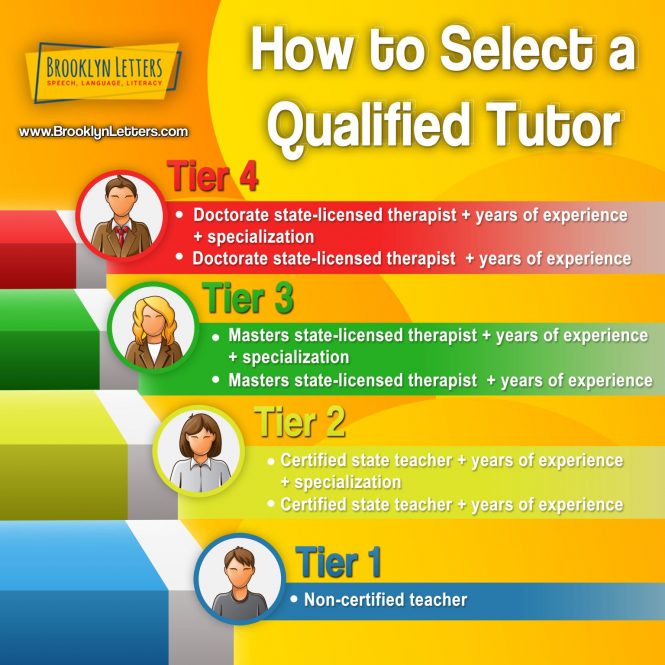
MEET MANHATTAN LETTERS SPEECH LANGUAGE THERAPISTS AND PATHOLOGISTS WHO TRAVEL TO YOUR HOME
Janelle B.
M.S., CCC-SLP, SPEECH LANGUAGE PATHOLOGIST
Ben I.
M.S., CCC- SLP, TSSLD, SPEECH LANGUAGE PATHOLOGIST
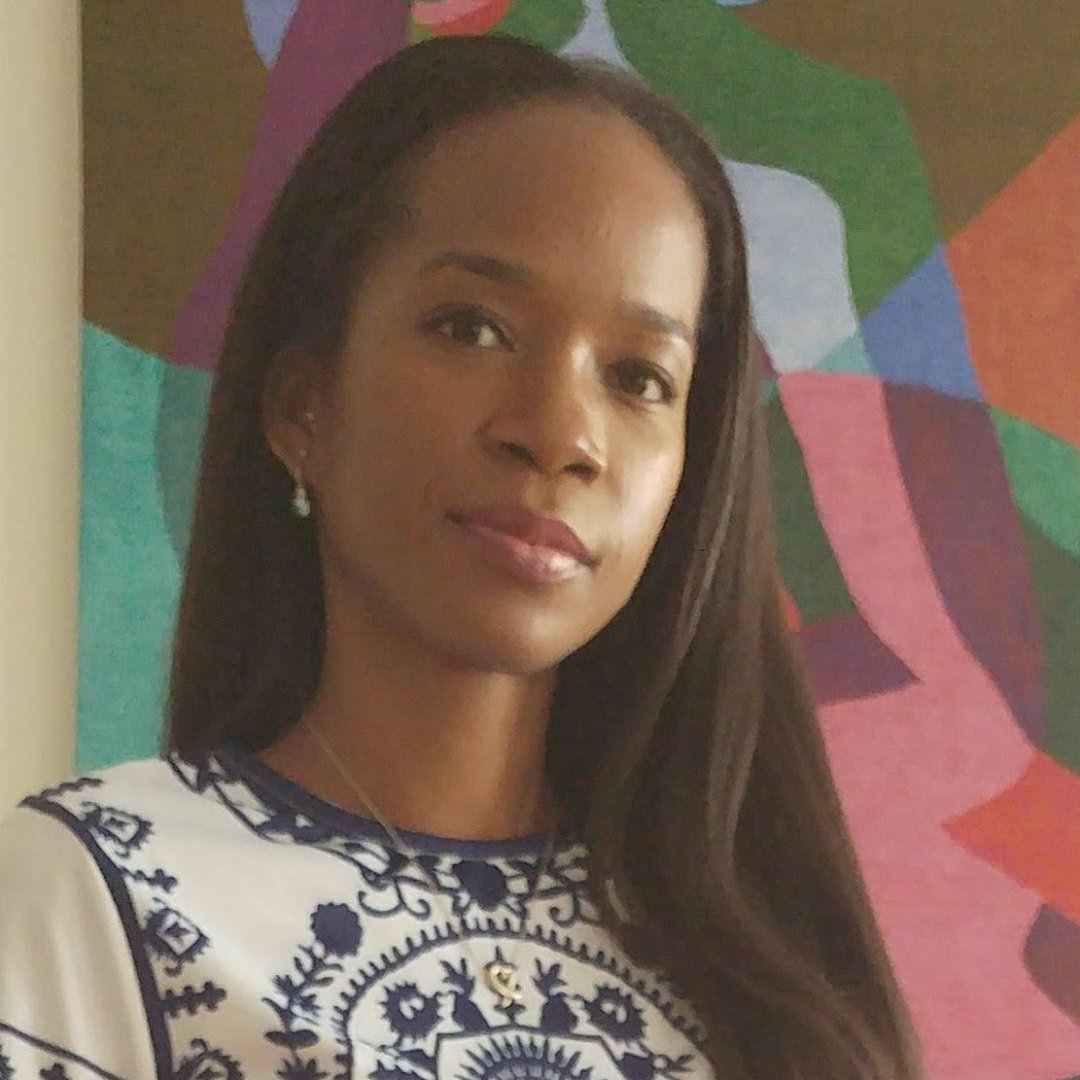
Christina A.
M.S., CCC-SLP, SPEECH LANGUAGE PATHOLOGIST
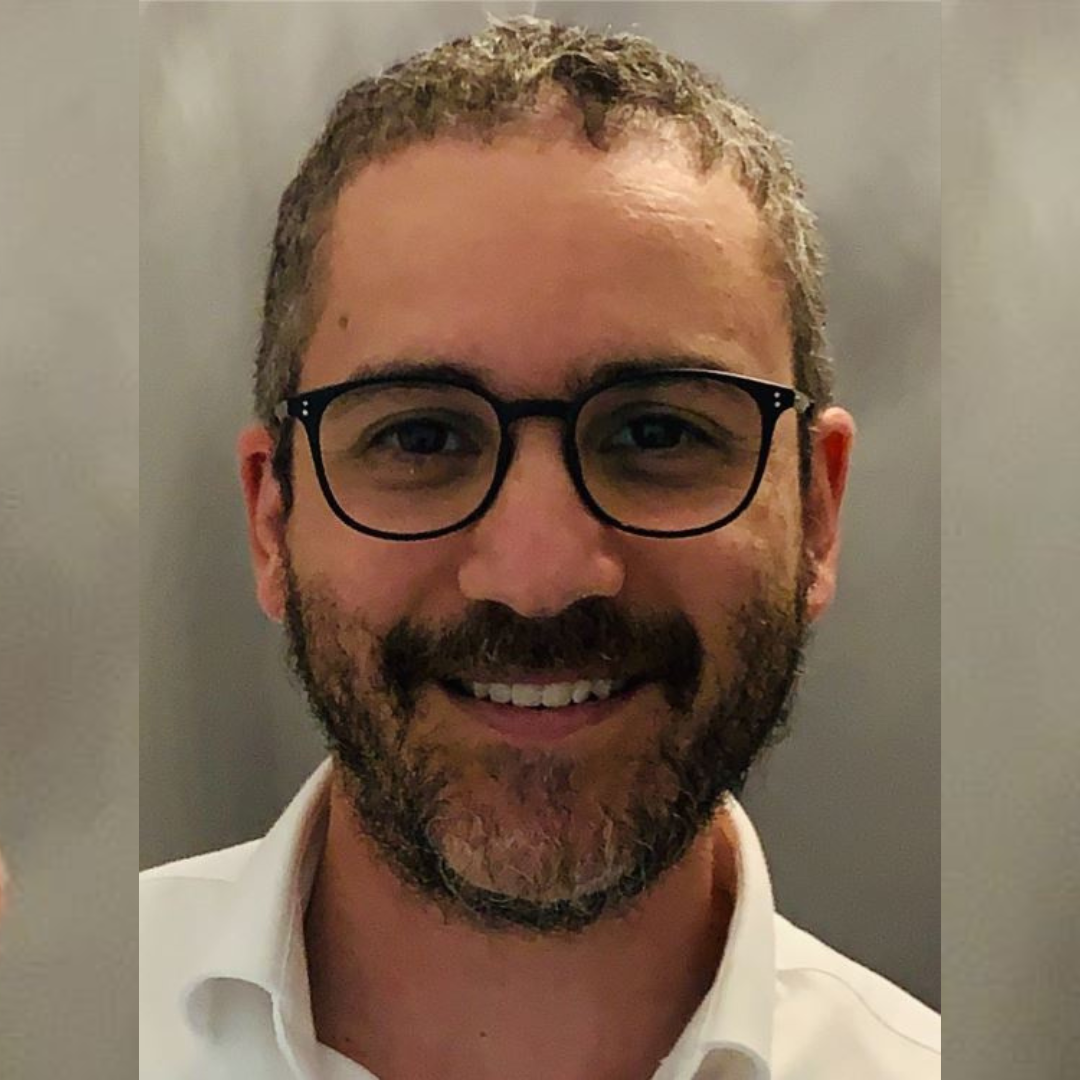
Sholom
MA, CCC-SLP, TSSLD, SPEECH LANGUAGE PATHOLOGIST

Kathleen E.
SPEECH-LANGUAGE PATHOLOGIST
FREE CONSULTATION!!!
Call: (347) 394-3485,
Text: (917) 426-8880
Email: manhattan@brooklynletters.com
(we respond to email right away!)